


Criteria Design Group Showcases 7 Egyptian Projects at COP31
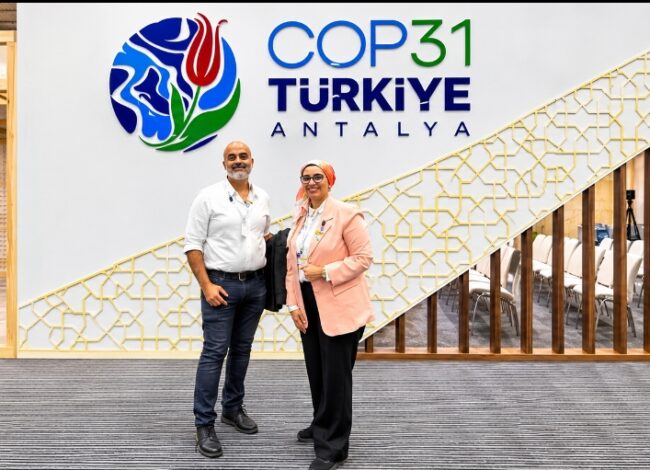
Criteria Design Group highlighted the economic and environmental benefits of sustainable architecture during its participation in the 31st United Nations Climate Change Conference (COP31) in Antalya, Türkiye.
The Egyptian architectural firm emphasized the importance of reducing energy consumption and long-term building operating costs through sustainable design solutions.
The company also showcased seven projects from its Egyptian portfolio. These developments demonstrate its approach to combining architectural innovation, environmental efficiency, and aesthetic value.
Criteria Design Group participated in the conference following an official invitation from the United Nations, according to the company.
Its participation aimed to highlight Egyptian architectural expertise and the role of sustainable design in addressing environmental and climate challenges.
Criteria Design Group Presents Seven Egyptian Projects at COP31
Hesham Helal, CEO and Founder of Criteria Design Group, said the company presented seven of its leading projects in the Egyptian market during COP31.
The presentation highlighted the company’s experience in architectural design and project development across residential, tourism, and commercial sectors.
It also demonstrated Criteria Design Group’s ability to develop tailored architectural solutions that address the requirements of different projects.
According to Helal, the showcased developments included:
– Nile Tower: Located on the Nile Corniche.
– WV Compound: A residential development in the Sixth Settlement.
– Marsa October Compound: One of the company’s residential projects.
– Heaven Beach: A tourism development in Ain Sokhna.
– Ras El Hekma Tourist Village: A tourism project in Ras El Hekma.
– Fabric Mall: A commercial development.
– Arrivia Mall: Another commercial project within the company’s portfolio.
These projects reflect the diversity of Criteria Design Group’s architectural portfolio.
They also highlight the company’s approach to balancing innovation, efficiency, and aesthetic appeal.
Egyptian Architectural Expertise Gains International Attention
Helal explained that the presentation attracted considerable interest and positive feedback from conference attendees.
It provided an opportunity to introduce Egyptian architectural expertise to an international audience of experts and specialists.
Moreover, the participation encouraged discussions on different design approaches and the role of architecture in creating more efficient and sustainable urban environments.
Helal noted that the company’s invitation to COP31 represents significant recognition of Egyptian architectural capabilities.
He added that Egyptian design firms have the potential to contribute to shaping the future of sustainable architecture.
The participation also highlights their role in international discussions concerning environmental protection, sustainability, and urban development.
Hesham Helal: Sustainable Design Can Reduce Long-Term Operating Costs
Helal described the company’s participation in COP31 as an important milestone in its development.
He explained that the conference provided an opportunity to present Criteria Design Group’s architectural philosophy to international experts and specialists.
Helal said:
“Our strategy focuses on developing design solutions that go beyond traditional architecture by integrating environmental, cultural, and aesthetic dimensions, while delivering projects that address human needs, preserve natural resources, and achieve the highest possible energy efficiency.”
He added:
“Sustainability is not merely a design trend or an additional feature of a project for the company, but rather an approach that guides its entire work process.”
According to Helal, this approach begins with assessing the project site and its surrounding environment.
It then extends across all stages of the architectural design process.
The company aims to use natural resources more efficiently while reducing energy consumption and long-term operating costs.
At the same time, its design approach seeks to preserve each project’s architectural identity and aesthetic value.
Research and Development Support Sustainable Architecture
Helal emphasized that Criteria Design Group continues to improve its architectural tools and design methodologies.
The company focuses on research and development while integrating academic knowledge with professional expertise.
This approach supports the development of innovative architectural solutions that respond to climate change and urban challenges.
It also helps the company keep pace with global developments in the construction industry.
According to Helal, combining professional experience with academic research is essential to advancing sustainable architectural practices.
Rania Fouad Highlights the Economic Benefits of Sustainable Buildings
During the conference, Dr. Rania Fouad, Assistant Professor at Helwan University and Head of Research and Development at Criteria Design Group, discussed the importance of integrating sustainability standards into architectural design.
Fouad explained that sustainable architecture begins with understanding the characteristics of each project site.
This includes studying surrounding climatic conditions before selecting suitable design solutions and construction materials.
She also highlighted the importance of using natural resources and energy more efficiently.
According to Fouad, these measures can help reduce the environmental impact of buildings.
They can also lower long-term operating costs and improve construction efficiency.
However, achieving these benefits requires informed architectural decisions from the earliest stages of a project.
Sustainable Architecture Requires Early Design Decisions
Fouad stressed that sustainability should be considered throughout the entire architectural design process.
She explained that choosing appropriate materials and design solutions can improve building efficiency.
Moreover, understanding local environmental conditions helps architects develop solutions that respond to the characteristics of each location.
These decisions support more efficient resource consumption and can reduce the environmental burden associated with building operations.
Fouad also emphasized the importance of balancing design requirements with environmental and economic considerations.
Criteria Design Group Strengthens Research and Development
Fouad noted that research and development represent key pillars of Criteria Design Group’s strategy.
The company continuously works to advance its design tools and methodologies.
It achieves this by combining academic knowledge with practical industry experience.
This integration supports the development of innovative architectural solutions that respond to climate change and evolving urban development trends.
Additionally, it strengthens the company’s ability to balance architectural requirements with environmental and economic priorities.
Sustainable Architecture Places People at the Centre of Design
Fouad emphasized that sustainable architecture involves more than developing environmentally efficient buildings.
Instead, it requires an integrated design vision that considers people, their needs, and the characteristics of the surrounding environment.
This approach also takes into account local resources and the requirements of building users.
According to Fouad, sustainable architecture should deliver genuine and lasting value.
It should also contribute to creating more efficient and resilient urban environments.
Such environments must be capable of responding to future challenges while maintaining functionality, environmental efficiency, and architectural quality.
Criteria Design Group Highlights Egypt’s Sustainable Design Capabilities
Criteria Design Group’s participation in COP31 provided an opportunity to showcase Egyptian architectural expertise on an international platform.
Through its seven projects, the company demonstrated its experience across residential, tourism, and commercial developments.
The participation also highlighted its focus on integrating environmental efficiency with architectural innovation.
Furthermore, the company emphasized the role of research, professional expertise, and sustainable design in developing the built environment.
By presenting its architectural approach at COP31, Criteria Design Group sought to contribute to international discussions on sustainable construction and the future of urban development.